

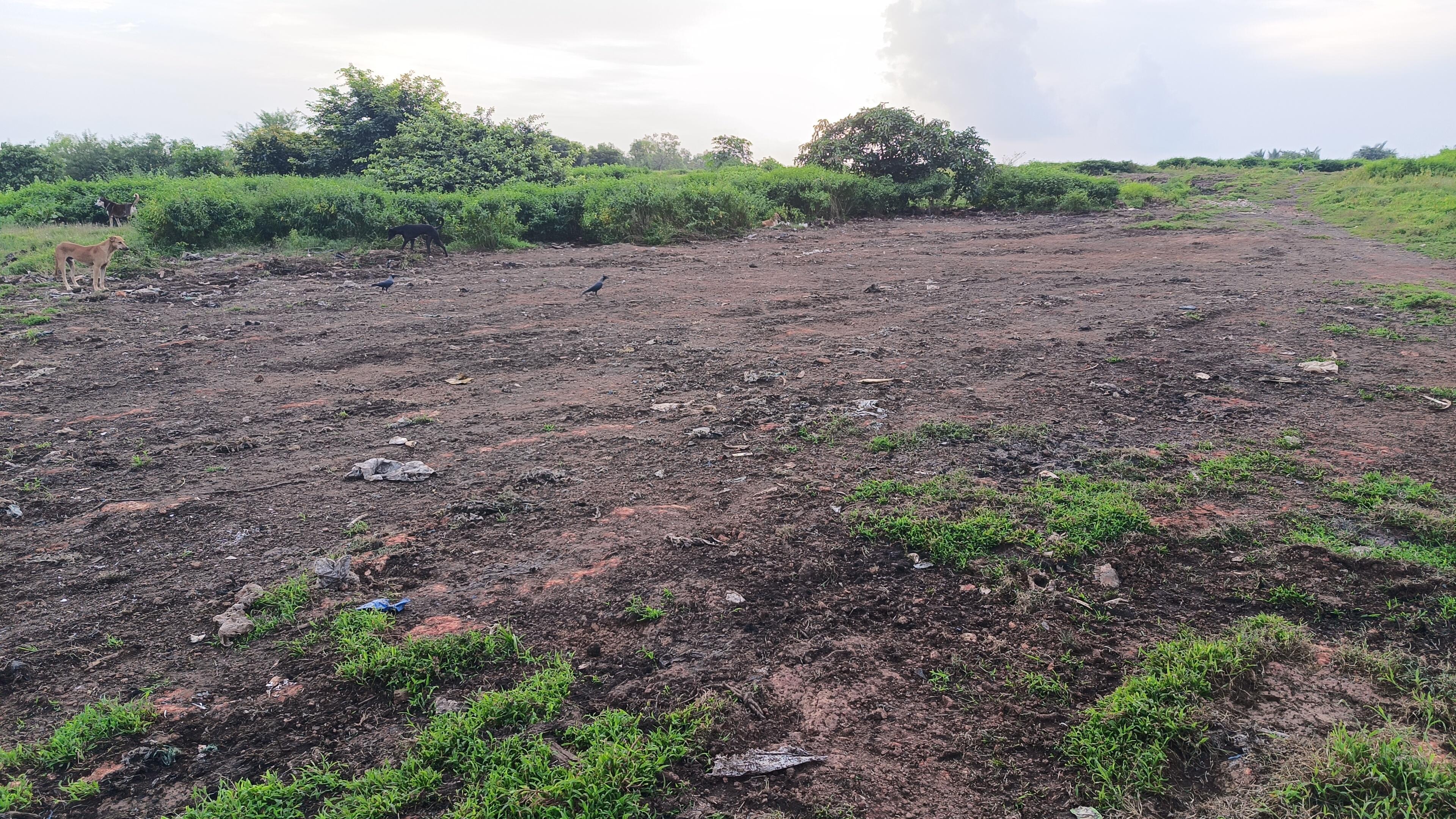
Bhatkal: Bhatkal, often categorized as one of the sensitive towns of Karnataka, once again found itself at the center of controversy after images of animal bones allegedly found on Maqdoom Colony hill went viral on social media. Upon investigation, it has emerged that these photographs are not recent but nearly a decade old, raising suspicions that they were deliberately circulated to provoke unrest.
This is not the first time such misleading reports have targeted Bhatkal. A few months ago, a viral post claimed that stray dogs in Bhatkal were attacking children. Videos were widely shared, with Kannada media outlets even reporting that an incident occurred in Jali, Bhatkal. However, it was later confirmed that the incident had actually taken place in Raichur, not Bhatkal. Similarly, a few years ago, another video showed an animal jumping off a building roof. Initially reported as having occurred near Shamsuddin Circle in Bhatkal, it was later revealed to be unrelated to the town.
The recurrence of such misleading narratives has created deep suspicion, and now, with the recent bone photographs, Maqdoom Colony has once again been dragged into controversy.
Maqdoom Colony has long been under the scanner. It is the native place of Ahmed Siddibapa alias Yasin, accused in terror cases. After his name surfaced, several national media reporters frequently visited the area. In the aftermath of the Pune German Bakery blast, Ahmed’s brother Samad was mistakenly detained at an airport and later the then-Home Minister P. Chidambaram declared him the main accused. When the truth surfaced—that Samad was innocent—the sensational story quickly collapsed, leaving behind suspicion and mistrust.
In recent years, reports of cattle theft and illegal slaughter have kept Maqdoom Colony in the headlines. Before the tenure of CPI Divakar, Bhatkal police had arrested a group allegedly involved in cattle theft. After that, such incidents declined for a period but resurfaced recently. According to locals, just a few days ago, residents of Maqdoom Colony apprehended a suspected cattle thief and handed him over to the police. But soon, rumors spread that the suspect was released after paying ₹30,000, echoing earlier allegations of similar settlements.
Now, the controversy over animal bones on the Maqdoom Colony hill has reignited old tensions.
It is revealed that around four to five days back, posts began circulating online claiming that members of a Sangh Parivar outfit had visited Maqdoom Colony hill and discovered evidence of cattle slaughter. Selfies, GPS-tagged images, and videos surfaced online, suggesting large-scale illegal slaughter in the area. However, further checks revealed that the bone photographs being circulated were nearly a decade old and had no connection to the new GPS images. Two unrelated sets of visuals—old photos of bone heaps and new GPS-based videos—were combined to fabricate a narrative of mass slaughter.
When it was pointed out that the photos were outdated, fresh videos were released showing bones collected in a storage tank, with the claim that GPS had validated the earlier allegations.
On Thursday, a few Sangh Parivar members once again visited the location, this time accompanied by Circle Police Inspector Divakar and other officials. They broke open the tank, demolishing the front part of the wall in a nearby forested area where bones had been stored, and filmed fresh footage. These visuals were presented as proof to silence those who had questioned the authenticity of the earlier photos. However, this only added to the confusion: which photos belonged to the hill, which belonged to the tank, and what role GPS actually played in verifying the claims.
Some media outlets went ahead and published reports based on these recycled images, while individuals who attempted to clarify the truth were allegedly subjected to threats and abuse. Critics argue that an effort was made to intimidate anyone exposing the manipulation, equating truth-telling with disturbing communal harmony.
In response, residents of Maqdoom Colony lodged formal complaints with senior police officers, while the Bhatkal Municipality also registered a separate case. Investigations are now underway.
This has raised critical questions among locals:
If members of Sangh Parivar truly found bones on the hill, why did they not gather people or stage a protest there, as they usually do? Why wasn’t the police called to the scene immediately? Why were selfies taken without showing the alleged bone heaps in the background? If bones were really found on the hill, why did authorities clear the site before registering a case? Shouldn’t the officers and municipal staff responsible for clearing the site be suspended?
Adding to the irony, tank-based images are now being circulated as if they were from the hill, even though the original dispute was about heaps allegedly lying in the open space of the hill. Investigations so far have not confirmed any fresh evidence of cattle slaughter on Maqdoom Colony hill.
Cattle theft cases have indeed been reported in Bhatkal, but residents insist the police must act transparently. Allegations of “rate-fixing raids” and backdoor settlements with offenders have severely dented public trust. Locals now expect law enforcement to expose those behind false propaganda and communal rumor-mongering instead of tacitly supporting them.
The core truth, as investigations currently stand, is clear: the photographs used to allege recent slaughter on Maqdoom Colony hill are old and misleading. The people demand that the police uphold accountability, avoid collusion with vested interests, and ensure that Bhatkal is not destabilized by fake news campaigns.
This report was originally written in Kannada by Bhatkal-based journalist Vasanth Devadiga and published in Uttara Kannada’s leading Kannada daily Karavali Munjavu. The above is a translated version of the same report presented here in English.